Introduction
Enteral feeding is a vital aspect of nutritional support for clients who are not able to consume food by mouth. This method includes delivering nutrients directly right into the intestinal system via a tube, commonly known as a PEG (Percutaneous Endoscopic Gastrostomy) tube. With innovations in clinical scientific research and modern technology, enteral feeding has come to be much more innovative, offering substantial advantages to different individual populations. This write-up delves into The Scientific research Behind Enteral Feeding: Secret Concepts Covered in Our Course, using insights right into the principles of enteral nutrition, the importance of training for health care professionals, and an overview of related programs such as NDIS PEG feeding training and enteral feeding support courses.
Understanding Enteral Feeding
What is Enteral Feeding?
Enteral feeding describes offering nutrition straight into the digestive system with a tube. This method is normally employed when people can not eat by mouth as a result of medical conditions such as stroke, head injuries, or chronic illnesses.
Why Pick Enteral Feeding?
Enteral feeding makes certain that individuals receive appropriate nutrition when they can not swallow. It aids keep their health status, supports recuperation, and enhances quality of life.
Types of Enteral Feeding
Continuous Feeding: Nutrients are delivered slowly over time. Intermittent Feeding: Nutrients are administered at particular intervals. Bolus Feeding: A bigger quantity of nutrients is supplied at once.The System of PEG Tube Placement
What is a PEG Tube?
A PEG tube is a specific tool utilized for enteral feeding. It is inserted with the stomach wall surface directly into the belly using endoscopic guidance.
Indications for PEG Tube Insertion
- Neurological conditions Head and neck cancers Severe dysphagia (problem ingesting)
The Procedure of Inserting a PEG Tube
Inserting a PEG peg feeding support tube includes numerous actions:
Pre-procedure assessment Sedation and neighborhood anesthesia administration Endoscopic visualization Insertion of the tubeNutritional Parts in Enteral Feeding
Macronutrients Explained
Carbohydrates: The main energy source. Proteins: Important for tissue repair service and immune function. Fats: Give concentrated energy and important fatty acids.Micronutrients Importance
Vitamins and minerals play essential functions in metabolic procedures and overall health.
Key Concepts in Enteral Nutrition Support
Understanding Power Requirements
Energy demands vary based on elements such as age, sex, weight, task degree, and medical condition.

Calculating Nutritional Needs
Healthcare professionals require to properly evaluate calorie demands making use of formulas like Harris-Benedict or Mifflin-St Jeor.
The Function of Healthcare Professionals in Enteral Feeding
Importance of Educating for Nurses
Training programs like peg training for nurses furnish medical care specialists with the essential skills to take care of enteral nutrition effectively.
Supporting Workers' Education and learning on PEG Feeding
PEG training for support employees ensures that those assisting clients comprehend proper care methods and safety measures.
Exploring Training course Offerings on Enteral Feeding
Overview of PEG Educating Courses
Various establishments supply comprehensive programs created to educate participants about enteral feeding methods:

- NDIS PEG feeding training Enteral feeding support course PEG feeding certificate programs
Benefits of Completing These Courses
Enhanced expertise in managing enterally fed patients. Improved client outcomes via appropriate dietary strategies.Challenges in Handling Enteral Nutrition
Common Complications Related to PEG Tubes
Patients might experience problems such as:
- Infection at the insertion site Tube blockage Displacement of the tube
Strategies for Issue Prevention
Proper hygiene practices and routine surveillance can assist minimize risks associated with PEG tubes.
The Scientific research Behind Enteral Feeding: Secret Ideas Covered in Our Course
In our detailed course on enteral feeding, we cover crucial clinical principles bordering this important method:
- The physiology behind food digestion and nutrient absorption. Different types of enteral feeds available on the market. Best techniques for administering feeds safely.
Each module emphasizes scientific applications combined with academic expertise to ensure healthcare providers are well-appointed to provide optimal care.
Implementing Evidence-Based Method in Enteral Nutrition
Importance of Study in Overview Practices
Staying updated with current research study makes it possible for medical care experts to make informed decisions concerning enteral nourishment management.
Integrating Standards from Authorities
Organizations like ASPEN (American Society for Parenteral and Enteral Nutrition) supply valuable standards that influence ideal techniques in enteral nourishment support.
FAQs About Enteral Feeding
1. What is peg feeding?
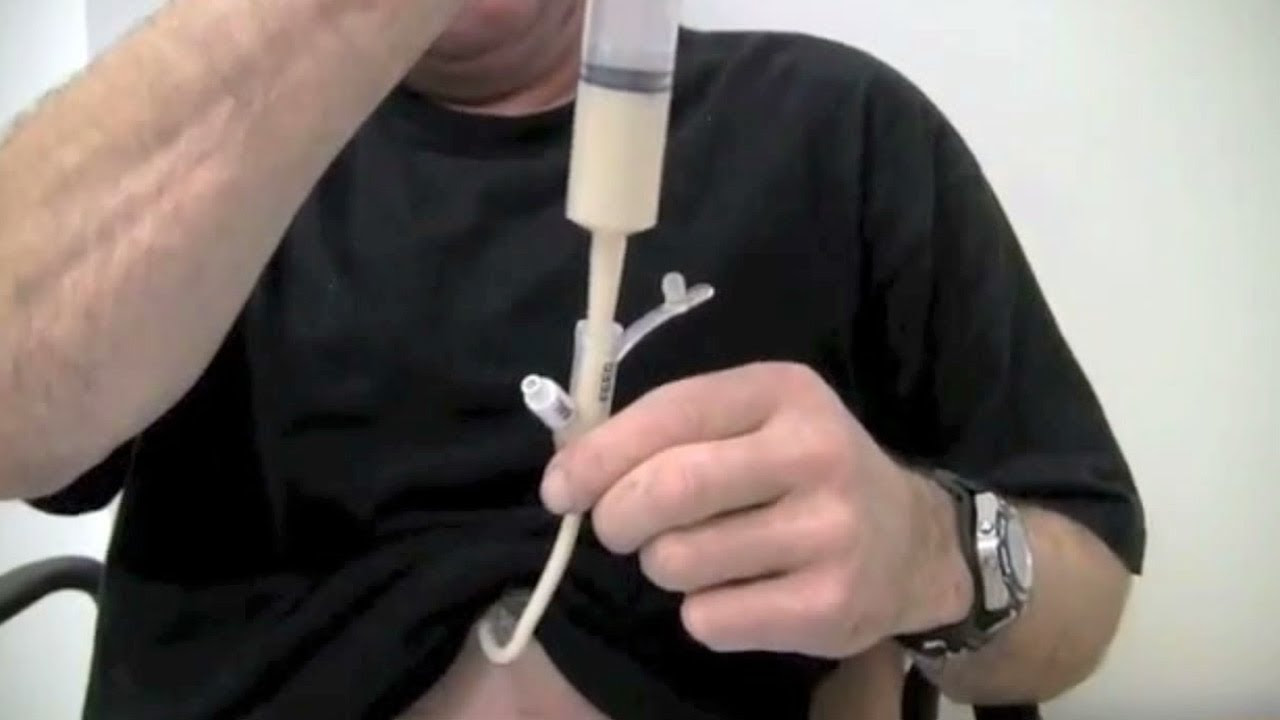
PEG (Percutaneous Endoscopic Gastrostomy) feeding includes delivering nutrients straight right into the tummy using a tube positioned through the stomach wall surface through an endoscopic procedure.
2. How long can a patient remain on peg feed?
Duration differs based on individual needs however might vary from weeks to years relying on underlying wellness conditions.
3. Is peg feeding painful?
Most patients report minimal discomfort throughout placement; nonetheless, some might experience pain after insertion which typically deals with soon after.
4. Can I consume usually if I have a fix tube?
While you can still consume orally if it's risk-free to do so; numerous patients count exclusively on their PEG feed for nourishment due to safety and security worries relating to ingesting difficulties.
5. Are there any type of nutritional limitations while on fix feed?
Dietary restrictions depend greatly on underlying health problems; consult with your dietitian or doctor to establish an ideal strategy tailored particularly for you!
6. Exactly how often ought to secure feed be changed?
Generally speaking, it's important that you consistently monitor your devices-- transforming it every 1 day if constant feeds are being carried out or according to your doctor's recommendations otherwise!
Conclusion
The field of enteral nutrition remains to advance as brand-new study emerges highlighting much better methods and techniques for supporting those who call for dietary help using tubes like PEG devices! By participating in academic offerings such as NDIS peg feeding training or specialized training courses concentrated solely around recognizing these complicated systems-- health care professionals can truly improve their skillset while improving person outcomes significantly! Ultimately-- the science behind enterally fed people remains crucial not simply from a scholastic standpoint-- but likewise from functional aspects aimed towards fostering boosted understanding amongst caretakers across Australia!